
The Boats Are Still Here — Part Two
November 13, 2026
In part one we looked at the generation of solid American fiberglass sailboats that still sail today—Catalina, Pearson, O’Day, Hunter, and others built in the 1960s, ’70s, and ’80s. The next natural question is simple: where do you find them, and how many are actually available?
The used-boat inventory is larger than most people realize.
Take McCotters Marina & Boatyard in Washington, North Carolina, on the Pamlico River. The marina itself is a classic full-service yard with 180 slips, a working boatyard, canvas shop, and brokerage. When you walk the docks or look at their current listings, you see dozens of boats in the 25- to 40-foot range, many of them the exact production models that introduced families to sailing decades ago.
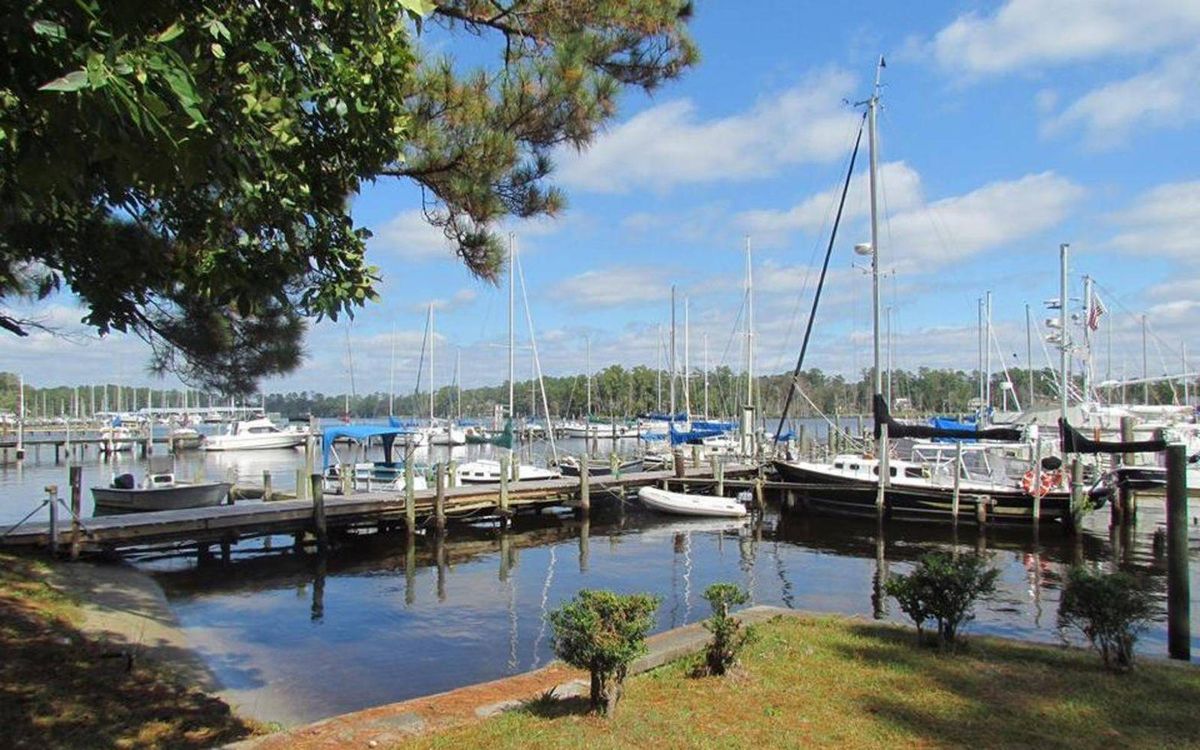
Their brokerage inventory typically shows 40–50 boats at any time, including a steady stream of Catalinas, Pearsons, Hunters, and other classic cruisers priced well under what a new boat of similar size would cost. One current example is a 1981 Catalina 30 Tall Rig listed for $9,900. It has a shallow wing keel, recent bottom work, and updated standing rigging—exactly the kind of boat that can be brought back into regular use without a six-figure investment.
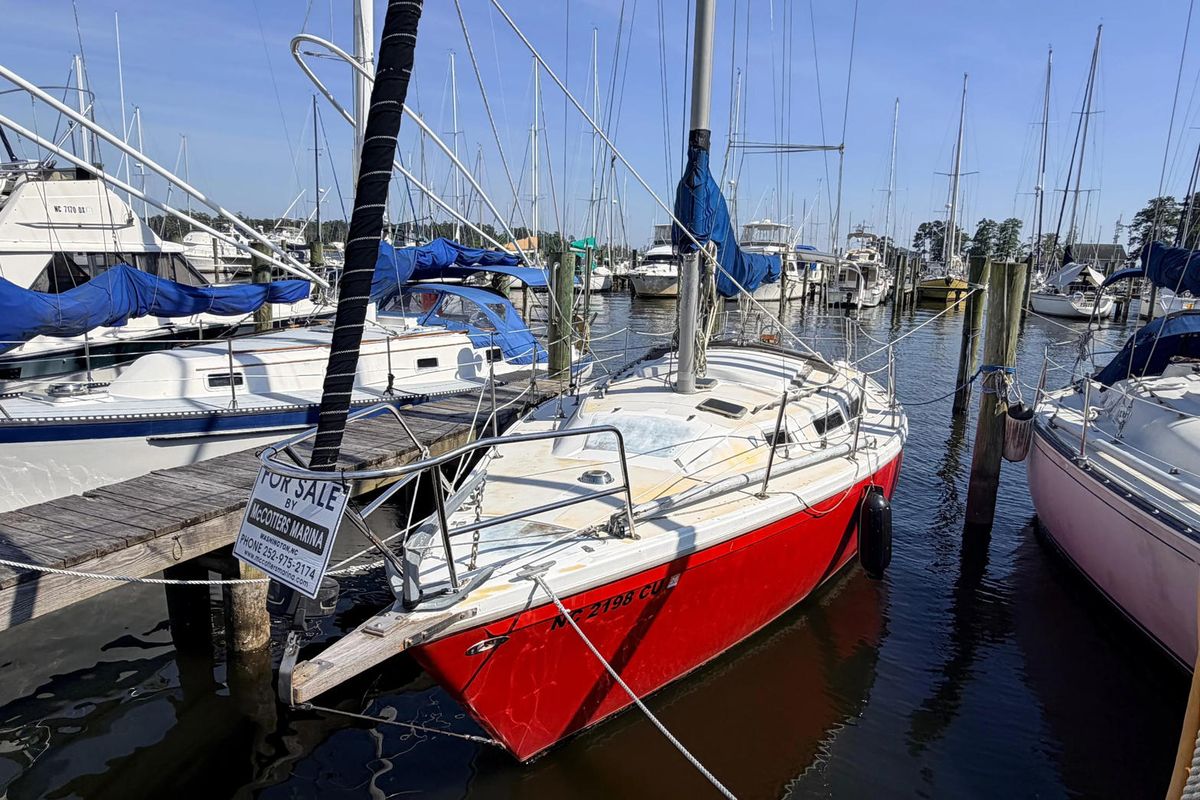
The point of these boats is not that they are perfect the day you buy them. Many need sails, a bit of cosmetics, or routine systems work. That is where the numbers stay friendly. A new inshore mainsail and 135% furling genoa for a Catalina 30 can be ordered from The Sail Store for a combined price that is often less than the cost of a single new sail on a much larger boat. The 135% furling genoa, for example, is currently listed at $1,312.52 (with free U.S. shipping on the current sale). Add a matching mainsail built in Challenge sailcloth with Tenara thread, and the boat has a fresh working sail inventory for coastal daysails and weekend cruising.
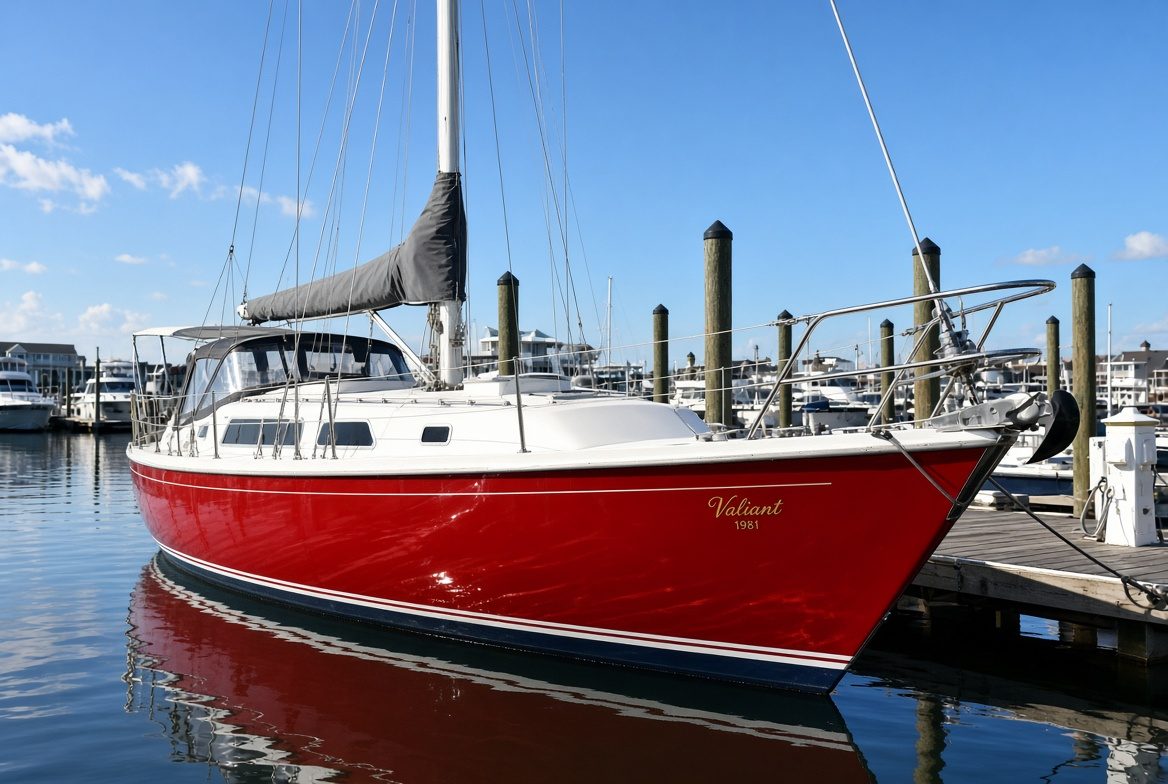
The renovation does not have to be extensive or expensive. Fair the bottom, address any blistering or osmosis if present, apply a proper barrier coat and antifouling, and the hull is ready for years of use. Modernizing the look of the hull with white trim and a boot stripe is as simple as taping it properly and a gallon of paint. New sails complete the picture. The result is a capable 30-footer that can explore protected waters, visit nearby harbors, and serve as a family platform—exactly the kind of boat described in part one.
Places like McCotters show the pattern repeated up and down the coast: solid older boats sitting in marinas, priced accessibly, and capable of being returned to service at a fraction of new-boat cost. The inventory is large. The work is straightforward. And the boats are already built.
At The Sail Store we continue to build replacement sails for these classic production boats so owners can put them back to work. The next chapter of sailing does not require a new hull. It starts with the ones that are already here.